


How Many Lumens Do I Need For A Projector?

Brightness is the most important number on a projector spec sheet. It is also the easiest to misread. If a projector lacks the light for your screen size and room, even the best 4K lens and color calibration will leave the picture looking flat and washed out.
Consumer projectors have grown much brighter in recent years. Modern laser-phosphor and RGB triple-laser light engines allow compact lifestyle projectors and ultra-short-throw (UST) "Laser TVs" to reach 3,000 to 6,000 ISO/ANSI lumens. High-end home theater models now reach up to 6,000 to 10,000 ISO lumens. The laws of physics still hold, and your eyes still need the same brightness on screen. Modern lasers simply make giant screens and bright-room viewing much easier to pull off.
This guide shows how projector lumens translate into screen brightness, measured in foot-Lamberts / nits (ftL / cd/m²). You will also find tested lumen design targets and current projector picks for every room:
- Quick Reference: Lumens, Foot-Lamberts & Nits by Application
- How Many Lumens Do I Really Need?
- What Are Lumens, and Why Are Modern Lasers So Bright?
- Lumen Ratings Decoded: ANSI, ISO 21118, CVIA & IDMS
- From Lumens to Foot-Lamberts / Nits
- How Bright Should My Projector Be? (ftL / Nits Chart)
- Home Theater, Living Room, Gaming & Golf Simulators
- Outdoor Projection and Backyard Movies
- Office and Meeting Rooms
- Schools and Universities
- Churches and Houses of Worship
- Government, Convention Halls & Hospitality
- Restaurants and Sports Bars
- Can a Projector Be Too Bright? & Aging Curves
- How Bright Are Commercial Cinema & IMAX Projectors?
- Calibrator’s Checklist: Important Brightness Notes
How Many Lumens Do I Really Need?
Ask anyone on our team whether 2,000 lumens is enough for a projector and you will get the same one-word answer every time: “Maybe.”
Two thousand lumens on a 100-inch screen in a dark basement looks rich and cinematic. Put that same 2,000-lumen projector on a 150-inch screen in a sunny living room for Sunday football, and you will spend four quarters squinting at ghosts.
From Rated Lumens to Foot-Lamberts / Nits: The Brightness Pipeline
Why spec-sheet lumens only tell half the story, and how light reaches your eyes
Projector Output (Lumens)
Measured at the screen in ISO/IEC 21118:2020, ANSI, or T/CVIA 114-2023 lumens.
- Rated Peak Mode: 100% output (Dynamic / Vivid).
- Accurate D65 Mode Allowance: 60%–75% of rated output (25%–40% planning allowance).
- Telephoto Zoom: Up to ~35% light loss on long-zoom lenses.
Screen Area & Gain
Light spreads across your screen’s surface area (sq. ft. / m²) and is shaped by screen gain:
- 100" 16:9: 29.7 sq. ft. (2.76 m²)
- 120" 16:9: 42.7 sq. ft. (3.97 m²)
- 150" 16:9: 66.8 sq. ft. (6.20 m², 2.25× larger than 100"!)
Screen Brightness (ftL / nits)
Reflective luminance reaching your seat determines how punchy the image looks:
- Dark SDR Target: 16–26 ftL / ~55–89 nits
- Dark HDR Target: 27–39+ ftL / ~93–134+ nits
- Lit Room Target: 40–73+ ftL / ~137–250+ nits
How many lumens you need comes down to four factors:
- Ambient light in the room: This is the biggest factor. The darkest black your screen can show is the brightness of the unlit screen under your room lights. Brighter rooms need more lumens and better light control.
- Screen size (surface area): Light spreads across surface area. Moving from a 100-inch 16:9 screen (29.7 sq. ft. / 2.76 m²) to a 150-inch screen (66.8 sq. ft. / 6.20 m²) increases the area by 2.25×. That cuts your screen brightness (ftL / nits) by more than half.
- Screen gain and ALR / CLR materials: Your screen shapes and directs the light that hits it. High-gain screens focus more projector light toward your seats. Sub-1.0 gain Ambient Light Rejecting (ALR) and Ceiling Light Rejecting (CLR) screens trade away some on-axis brightness to reject off-axis room light and preserve contrast in lit rooms.
- What you watch and your picture mode: Dark movies in a dedicated theater depend on deep black levels and shadow gradations. Live sports and spreadsheets with the lights on demand raw brightness and high contrast under ambient light.
What Are Projector Lumens, and Why Are Modern Lasers So Bright?
A lumen (lm) measures the total visible light flux a source puts out. Lumens are to light what gallons are to milk or horsepower is to an engine. In projection, standardized lumens tell you how much light leaves the projector lens toward the screen.
The Modern Projector Light Engine Revolution
Why 2026 laser projectors deliver 2× to 4× the usable brightness of legacy lamp models
UHP Mercury-Arc Bulbs
- 1,500–2,500 lm typical home output
- Rapid Decay: Many lamps lose 20%–40% brightness in the first 1,000–1,500 hours
- 3,000–5,000 hr bulb replacements
- Wide-gamut color filters cut light by up to 50%
Laser-Phosphor Engines
- 2,700–10,000 lm Home & up to 20,000+ lm Venue
- Blue laser diodes excite a yellow phosphor element (used in 3LCD, LCoS & DLP)
- 20,000–30,000 hr lifespan (~14–20.5 yrs at 4 hrs/day to L50)
- Much less prone to visible speckle than pure RGB lasers
RGB Triple-Laser Engines
- 3,000–6,000 ISO/ANSI lm from compact UST & gimbal bodies
- Nearly 100% BT.2020 coverage (up to 110% gamut area ratio) without filters
- Helmholtz-Kohlrausch Effect: Deeply saturated colors look brighter to the eye
If you have not shopped for a projector in a few years, current lumen ratings might look like a typo. A few years ago, most home theater projectors sat between 1,500 and 2,500 lumens, and passing 4,000 lumens meant bolting a loud commercial unit to your ceiling. Today, compact triple-laser lifestyle projectors and USTs deliver 3,000 to 6,000 ISO/ANSI lumens, while flagship home theater models like Epson’s Q-Series reach up to 10,000 ISO lumens.
Two breakthroughs in solid-state lighting made this possible:
- Laser-Phosphor Illumination: Most laser-phosphor projectors fire blue laser diodes at a yellow phosphor element to generate full-spectrum light (some architectures also split direct blue light or add supplemental diodes). Used across 3LCD/LCoS and single-chip DLP projectors, such as Epson’s QB1000B (3,300 ISO lumens), Epson’s high-output QL3000B (up to 6,000 ISO lumens) and QL7000B (up to 10,000 ISO lumens), or JVC’s BLU-Escent DLA-NZ800 (2,700 lumens), these engines deliver high, steady brightness and are generally much less prone to visible speckle than pure RGB laser designs.
- RGB Triple-Laser Engines: Pure RGB laser projectors use separate primary-color lasers. Current examples include the Hisense L9Q (5,000 ANSI lumens), Hisense L9Q Pro (5,500 ANSI lumens), Hisense C3 Ultra (4,000 ANSI lumens), XGIMI Horizon 20 Max (5,700 ISO lumens), and XGIMI Horizon 30 Ultra Max (6,000 ISO lumens, preorder). Because narrowband lasers generate primary wavelengths directly without color filters, they cover nearly 100% of the BT.2020 color space (and up to 110% BT.2020 gamut area ratio). Human eyes also perceive deeply saturated colors as brighter than a white-light luminance meter reading of equal luminance suggests. Vision scientists call this the Helmholtz-Kohlrausch effect; while it does not increase measured lumens or physically overcome room light, it gives triple-laser projectors extra perceived punch in colorful HDR scenes.
Room physics stay the same, and your eyes still want the same ftL / nits on screen. Higher laser output gives you extra headroom. You can fill larger screens (120" to 180"+), give HDR highlights more pop, pair the projector with a sub-1.0 gain (0.5 to 0.8) ALR or CLR screen, and use accurate color modes with plenty of light to spare.
Lumen Ratings Decoded: ANSI, ISO 21118, CVIA, and Color Brightness
Lumen ratings vary wildly across the industry. On budget shopping sites, many numbers are pure fiction.
Beware of "Light Source Lumens" and "Lux" Inflation
When a $150 online projector claims "15,000 Lumens!", the seller is usually quoting raw LED light source lumens (measured at the emitter before internal optics and imaging panels reduce the beam) or quoting lux (illuminance at a single point) without specifying screen area or distance. Raw source lumens and unstandardized lux figures cannot be compared directly to ANSI or ISO lumens measured at the screen, and budget listings quoted in "source lumens" deliver only a fraction of that figure onto your wall.
Trusted brands use standardized measurements taken at the screen:
| Standard | Full Name / Origin | How It’s Measured & What to Know |
|---|---|---|
| ANSI Lumens | American National Standards Institute (ANSI/NAPM IT7.228-1997) | Historical nine-point white-light method that multiplies average illuminance (in lux) across 9 zones of a 100% white field by the image area in m². Though the formal standard was withdrawn in 2003, "ANSI lumens" remains common industry shorthand for 9-point white output in a projector’s brightest mode. |
| ISO Lumens | International Organization for Standardization (ISO/IEC 21118:2020) | The international standard used by Epson and XGIMI. Measures 9-point white light output on a 100% white field in the projector’s brightest mode. The published figure is a factory production average (individual production units must meet at least 80% of the rated value) rather than calibrated D65 output. |
| CVIA Lumens | China Video Industry Association (T/CVIA 114-2023) | Group standard used by major lifestyle and UST brands (including Hisense and XGIMI). Measures a 9-point white grid while requiring the correlated color temperature to stay within a defined window (6,000K–18,000K) and enforcing production-unit tolerances, though that broad window still does not guarantee a calibrated D65 picture mode. |
| Color Brightness (IDMS 15.4) | Information Display Measurements Standard (SID/ICDM IDMS 15.4, Sampled Flux from Color-Signal White) | Measures primary color light output alongside white. Epson publishes equal Color (IDMS 15.4) and White (ISO 21118) lumen ratings for its 3LCD models. Single-chip DLP projectors with a clear white color-wheel segment, as well as some RGB laser models depending on picture mode, can measure lower color light output than peak white output. |
Rated Lumens vs. Calibrated Reality (Why Headroom Matters)
Even with an honest ISO or ANSI rating, remember the word rated. Manufacturers record that number at the widest lens zoom setting in the projector’s brightest mode (Dynamic or Vivid).
When you switch to an accurate picture mode (Filmmaker or Cinema) for natural skin tones and D65 white balance, we recommend budgeting a 25% to 40% planning allowance below rated peak output (leaving 60% to 75% of rated lumens). Actual mode losses vary by model: on our review sample of the 3,300-lumen Epson QB1000B, output measured 3,526 lumens in Dynamic mode, 2,978 lumens in Cinema mode, and 2,813 lumens in Natural mode before grayscale calibration (while other independent tests of the QB1000B have measured roughly 2,525 lumens in Natural mode). Fine grayscale calibration or moving a lens from wide-angle to full telephoto zoom (which can trim output by up to ~35% on some long-zoom lenses, alongside any internal wide-gamut filter) reduces light further. Our recommendations below build in extra headroom to cover these real-world losses.
From Lumens to Foot-Lamberts / Nits: What Hits Your Eyes
Lumens measure the light leaving the projector. Luminance, measured in foot-Lamberts (ftL) / nits (cd/m²), measures how bright the picture looks when it reflects off the screen toward your eyes.
Why We List Foot-Lamberts and Nits Together (ftL / nits)
For decades, cinema techs and projection installers have used foot-Lamberts (ftL). When 1 lumen per square foot (an illuminance of 1 footcandle) strikes an ideal diffuse (Lambertian) 1.0-gain surface, the reflected luminance is 1 foot-Lambert (1/π cd/ft² ≈ 3.426 cd/m²). Today, flat-panel TVs and HDR10 / Dolby Vision mastering suites use nits (candelas per square meter, cd/m²).
Listing foot-Lamberts / nits (ftL / nits) together lets you check traditional cinema benchmarks while comparing a projector directly against flat-panel TVs and HDR standards. The conversion between the two is simple math:
Interactive Foot-Lamberts / Nits Calculator
Enter your projector lumens, picture mode, screen size, aspect ratio, and screen gain to calculate your estimated screen brightness in ftL / nits.
The Geometry Trap: Why Bigger Screens Demand Lumens That Scale With the Square of the Diagonal
Same 3,000-lumen projector on a 1.0-gain screen across six 16:9 diagonal sizes
101 ftL / 346 nits
29.7 sq. ft. (2.76 m²) • 87" W × 49" H
Bright enough for sunny living rooms.
70 ftL / 241 nits
42.7 sq. ft. (3.97 m²) • 105" W × 59" H
44% more screen area reduces brightness by 31%.
55 ftL / 190 nits
54.1 sq. ft. (5.02 m²) • 118" W × 66" H
Sweet spot for medium ambient light or dark HDR.
45 ftL / 154 nits
66.8 sq. ft. (6.20 m²) • 131" W × 74" H
More than double the area of a 100" screen.
31 ftL / 107 nits
96.1 sq. ft. (8.93 m²) • 157" W × 88" H
Great in a dark theater; too dim for a bright room.
25 ftL / 87 nits
118.7 sq. ft. (11.03 m²) • 174" W × 98" H
Doubling diagonal from 100" to 200" cuts brightness to 1/4!
Worked Example: How Screen Size and Gain Change Your Brightness
Suppose you have a projector delivering 2,000 lumens in a dark theater and want to fill a 220-inch 16:9 screen (approximately 16 ft × 9 ft, or about 143.6 sq. ft. / 13.34 m²) with a 1.0 gain surface:
At 13.9 ftL / 48 nits, you sit right on the commercial cinema reference (14 ftL / 48 nits per SMPTE RP 431-2:2011) and just below our 16 ftL / 55 nits minimum design target for a home theater. You can fix this in several ways:
- Step down the screen size: Drop from 220" to a 180-inch diagonal (96.1 sq. ft. / 8.93 m²), and that same 2,000-lumen output jumps to 21 ftL / 71 nits.
- Increase Screen Gain: Keep the 220-inch size and swap the 1.0-gain white surface for a 1.3-gain screen: 13.9 ftL × 1.3 = 18.1 ftL / 62 nits.
- Step up projector lumens: Move to a 3,300-lumen laser projector like the Epson QB1000B, which calculates to 23 ftL / 79 nits on that 220-inch 1.0-gain screen at rated output (or roughly 19.6–20.7 ftL / 67–71 nits at our measured 2,813–2,978 lumens in Natural and Cinema modes).
- Move the projector closer (wider lens zoom): Mounting the projector near the wide end of its zoom range preserves up to 25%–35% more light than mounting it at the far telephoto end of the room.
How Ambient Light and ALR / CLR Screens Change the Equation
In a pitch-black room, your eyes adapt to the dark. 16–26 ftL / ~55–89 nits looks rich and natural for SDR movies, while 27–39+ ftL / ~93–134+ nits gives HDR and Dolby Vision movies extra punch for bright skies and specular highlights.
Why Ambient Light Washes Out Projectors, and How ALR & CLR Screens Work
Matching the right Ambient Light Rejecting optical structure to your projector's throw type
Lambertian Scatter Reflects Room Glare
A standard matte-white screen scatters light equally in all directions, reflecting ceiling lights and window glare straight toward your seat.
- Dark Room: 58.4 ftL / 200 nits white ÷ 0.03 ftL / 0.1 nits black = 2,000:1 contrast
- With 7.3 ftL / 25 nits Room Light: White = 65.7 ftL / 225 nits, Black = 7.3 ftL / 25.1 nits → ~9:1 contrast!
Multi-Layer Optical Filter (0.8–1.5 Gain)
Designed for ceiling- or rear-mounted long-throw projectors.
- Uses directional optical coatings and tinted diffusion filters on a smooth surface.
- Rejects: Off-axis light from side windows and overhead fixtures.
- Reflects: On-axis projector light into the seating cone (gains >1.0 narrow the viewing cone).
Spectra Projection Shadowscape (0.6 Gain)
Brings lenticular light rejection to standard-throw & short-throw projectors.
- Rejects: Stray ambient light from above and below.
- Reflects: Standard/short-throw beams across a wide advertised 160° viewing angle while reducing laser speckle and supporting off-center side placement.
Angled Sawtooth Micro-Ridges (0.5–0.8 Gain)
Built for Ultra-Short-Throw (UST) projectors sitting inches below the screen.
- Rejects: Overhead ceiling light on the dark upper ridge surfaces.
- Reflects: Steep upward UST beam forward to viewers. (Projector position and screen orientation must match!)
When you turn on room lights or open the blinds, room light reflects off a standard matte-white screen right alongside your movie. Suppose a projector produces 58.4 ftL / 200 nits of peak white and 0.03 ftL / 0.1 nits of black on your screen in a dark room, giving a 2,000:1 sequential native contrast ratio. Adding just 7.3 ftL / 25 nits of reflected room light (roughly 79 lux striking a 1.0-gain matte-white screen) raises peak white to 65.7 ftL / 225 nits and lifts the black floor to 7.3 ftL / 25.1 nits, reducing sequential contrast to about 9:1 (225 ÷ 25.1).
Bright rooms require two things working together: more lumens to push peak white up to 40–60+ ftL / ~137–206+ nits, and an Ambient Light Rejecting (ALR) screen matched to your projector's throw.
ALR screens are built for much more than just ultra-short-throw projectors. Different ALR and CLR designs reject light from different directions and use distinct optical mechanisms:
- Standard-Throw Optical ALR Screens (0.8–1.5 Gain): Built for long-throw projectors mounted at the back of the room or on the ceiling. These screens use multi-layer optical coatings and tinted diffusion filters to reflect on-axis projector light back into your seating cone while rejecting off-axis ambient light from side windows and overhead fixtures. Higher-gain angular-reflective ALR surfaces (above 1.0 gain) boost on-axis brightness while narrowing the viewing cone and requiring tighter throw distances.
- Standard-Throw Lenticular ALR Screens (0.6 Gain): Screens like the 0.6-gain Spectra Projection Shadowscape ALR (also available in a Hisense C3 Ultra + Shadowscape 120" bundle) bring lenticular light rejection to standard-throw and short-throw projectors. Engineered to reject ambient light from above and below across a wide advertised 160° viewing angle, the Shadowscape surface also reduces RGB laser speckle and supports off-center side placement when used with appropriate lens shift or minimal keystone correction.
- Ultra-Short-Throw (UST) Lenticular CLR Screens (Typically 0.5–0.8 Gain): UST screens, such as the 0.5-gain Spectra Projection Vantage UST ALR/CLR screen, are CLR (Ceiling Light Rejecting) screens built around microscopic angled sawtooth ridges. The dark upper surface of each ridge absorbs overhead ceiling light, while the angled lower facet reflects the steep upward beam from a tabletop UST projector straight toward your seats. (Projector position and screen orientation must always match: a horizontal beam from a standard-throw projector, or an inverted ceiling-mounted UST on a bottom-illuminated CLR screen, will strike the absorptive side of the ridges.)
Sub-1.0 gain ALR and CLR screens (0.5 to 0.8 gain) do not increase native dark-room contrast on their own; instead, they improve contrast in lit rooms by rejecting off-axis room light while trading away some on-axis projector light. Pair them with a high-lumen laser projector so your image stays bright.

Target Screen Brightness Rules of Thumb
Use our Projector Screen Calculators or the design targets below to match your target foot-Lamberts / nits to your room (nit ranges are approximate conversions of the foot-Lambert bands at 1 ftL ≈ 3.426 nits):
| Screen Brightness (ftL / nits) | What It Means for Your Viewing Experience |
|---|---|
| 0–15 ftL / ~0–51 nits | Too dim for most home setups. Commercial digital cinema uses a nominal 14 ftL / 48 nits standard in a pitch-black auditorium (SMPTE RP 431-2 / ST 431-1), whereas we target at least 16 ftL / ~55 nits for home theater. |
| 16–26 ftL / ~55–89 nits | Ideal design target for a dark room (SDR). Classic movie-theater look with deep blacks and comfortable viewing. |
| 27–39 ftL / ~93–134 nits | Ideal design target for dark-room HDR or low ambient light. Gives HDR highlights real pop in a dark theater and holds up well in a dim media room. |
| 40–59 ftL / ~137–202 nits | Good for medium ambient light. Great target for living rooms (especially with an ALR screen) and classrooms. |
| 60–159 ftL / ~206–545 nits | Good for high ambient light. Built for sunny living rooms and sports bars. |
| 160+ ftL / ~548+ nits | Direct-view TV territory. Works in very bright rooms, though in a dark theater it raises the black floor and makes any screen hotspotting more noticeable. |
How Bright Should My Projector Be? (Foot-Lamberts / Nits Chart by Screen Size)
Every room and screen setup is different. The chart below shows the idealized calculated screen brightness in foot-Lamberts / nits (ftL / cd/m²) across eight 16:9 screen sizes (100" to 300") and nineteen lumen levels on a 1.0-gain screen (before picture-mode losses or ambient room light).
| ProjectorLUMENS | 100"30 ft² / 2.8 m² | 120"43 ft² / 4.0 m² | 135"54 ft² / 5.0 m² | 150"67 ft² / 6.2 m² | 180"96 ft² / 8.9 m² | 200"119 ft² / 11.0 m² | 250"185 ft² / 17.2 m² | 300"267 ft² / 24.8 m² |
|---|---|---|---|---|---|---|---|---|
| 500 lm | 17 ftL/ 58 nits | 12 ftL/ 40 nits | 9 ftL/ 32 nits | 7 ftL/ 26 nits | 5 ftL/ 18 nits | 4 ftL/ 14 nits | 3 ftL/ 9 nits | 2 ftL/ 6 nits |
| 800 lm | 27 ftL/ 92 nits | 19 ftL/ 64 nits | 15 ftL/ 51 nits | 12 ftL/ 41 nits | 8 ftL/ 29 nits | 7 ftL/ 23 nits | 4 ftL/ 15 nits | 3 ftL/ 10 nits |
| 1,000 lm | 34 ftL/ 115 nits | 23 ftL/ 80 nits | 18 ftL/ 63 nits | 15 ftL/ 51 nits | 10 ftL/ 36 nits | 8 ftL/ 29 nits | 5 ftL/ 18 nits | 4 ftL/ 13 nits |
| 1,500 lm | 51 ftL/ 173 nits | 35 ftL/ 120 nits | 28 ftL/ 95 nits | 22 ftL/ 77 nits | 16 ftL/ 53 nits | 13 ftL/ 43 nits | 8 ftL/ 28 nits | 6 ftL/ 19 nits |
| 2,000 lm | 67 ftL/ 231 nits | 47 ftL/ 160 nits | 37 ftL/ 127 nits | 30 ftL/ 103 nits | 21 ftL/ 71 nits | 17 ftL/ 58 nits | 11 ftL/ 37 nits | 7 ftL/ 26 nits |
| 2,500 lm | 84 ftL/ 289 nits | 59 ftL/ 200 nits | 46 ftL/ 158 nits | 37 ftL/ 128 nits | 26 ftL/ 89 nits | 21 ftL/ 72 nits | 13 ftL/ 46 nits | 9 ftL/ 32 nits |
| 3,000 lm | 101 ftL/ 346 nits | 70 ftL/ 241 nits | 55 ftL/ 190 nits | 45 ftL/ 154 nits | 31 ftL/ 107 nits | 25 ftL/ 87 nits | 16 ftL/ 55 nits | 11 ftL/ 38 nits |
| 3,500 lm | 118 ftL/ 404 nits | 82 ftL/ 281 nits | 65 ftL/ 222 nits | 52 ftL/ 180 nits | 36 ftL/ 125 nits | 29 ftL/ 101 nits | 19 ftL/ 65 nits | 13 ftL/ 45 nits |
| 4,000 lm | 135 ftL/ 462 nits | 94 ftL/ 321 nits | 74 ftL/ 253 nits | 60 ftL/ 205 nits | 42 ftL/ 143 nits | 34 ftL/ 115 nits | 22 ftL/ 74 nits | 15 ftL/ 51 nits |
| 4,500 lm | 152 ftL/ 520 nits | 105 ftL/ 361 nits | 83 ftL/ 285 nits | 67 ftL/ 231 nits | 47 ftL/ 160 nits | 38 ftL/ 130 nits | 24 ftL/ 83 nits | 17 ftL/ 58 nits |
| 5,000 lm | 169 ftL/ 577 nits | 117 ftL/ 401 nits | 92 ftL/ 317 nits | 75 ftL/ 257 nits | 52 ftL/ 178 nits | 42 ftL/ 144 nits | 27 ftL/ 92 nits | 19 ftL/ 64 nits |
| 6,000 lm | 202 ftL/ 693 nits | 140 ftL/ 481 nits | 111 ftL/ 380 nits | 90 ftL/ 308 nits | 62 ftL/ 214 nits | 51 ftL/ 173 nits | 32 ftL/ 111 nits | 22 ftL/ 77 nits |
| 7,000 lm | 236 ftL/ 808 nits | 164 ftL/ 561 nits | 129 ftL/ 443 nits | 105 ftL/ 359 nits | 73 ftL/ 249 nits | 59 ftL/ 202 nits | 38 ftL/ 129 nits | 26 ftL/ 90 nits |
| 8,000 lm | 270 ftL/ 924 nits | 187 ftL/ 641 nits | 148 ftL/ 507 nits | 120 ftL/ 411 nits | 83 ftL/ 285 nits | 67 ftL/ 231 nits | 43 ftL/ 148 nits | 30 ftL/ 103 nits |
| 9,000 lm | 303 ftL/ 1,039 nits | 211 ftL/ 722 nits | 166 ftL/ 570 nits | 135 ftL/ 462 nits | 94 ftL/ 321 nits | 76 ftL/ 260 nits | 49 ftL/ 166 nits | 34 ftL/ 115 nits |
| 10,000 lm | 337 ftL/ 1,155 nits | 234 ftL/ 802 nits | 185 ftL/ 634 nits | 150 ftL/ 513 nits | 104 ftL/ 356 nits | 84 ftL/ 289 nits | 54 ftL/ 185 nits | 37 ftL/ 128 nits |
| 12,000 lm | 404 ftL/ 1,386 nits | 281 ftL/ 962 nits | 222 ftL/ 760 nits | 180 ftL/ 616 nits | 125 ftL/ 428 nits | 101 ftL/ 346 nits | 65 ftL/ 222 nits | 45 ftL/ 154 nits |
| 15,000 lm | 506 ftL/ 1,732 nits | 351 ftL/ 1,203 nits | 277 ftL/ 950 nits | 225 ftL/ 770 nits | 156 ftL/ 535 nits | 126 ftL/ 433 nits | 81 ftL/ 277 nits | 56 ftL/ 192 nits |
| 20,000 lm | 674 ftL/ 2,309 nits | 468 ftL/ 1,604 nits | 370 ftL/ 1,267 nits | 300 ftL/ 1,026 nits | 208 ftL/ 713 nits | 169 ftL/ 577 nits | 108 ftL/ 369 nits | 75 ftL/ 257 nits |
-
Screen Gain: Multiply any cell by your screen’s gain (or click the gain buttons above). For a 0.5-gain Spectra Projection Vantage UST CLR screen or 0.6-gain Shadowscape standard-throw lenticular ALR screen, multiply by
0.5or0.6. For a 0.8-gain standard-throw optical ALR screen, multiply by0.8. For a 1.3-gain white screen, multiply by1.3. - Calibrated Picture Mode: If you watch in an accurate Cinema or Filmmaker mode, look up 60% to 75% of your projector’s rated lumens in the left column (a 25% to 40% planning allowance).
- Want an expert to run the numbers for your room? Call us at 888-392-4814 to speak with a projection specialist who can match your throw distance and screen material.
Quick Reference: Lumens, Foot-Lamberts & Nits by Application
Note: Recommended lumen and screen brightness ranges in the tables below are design targets that account for typical screen gain and picture-mode selection under each room's lighting, rather than guaranteed field measurements across every screen size in the row.
| Application | Typical Screen Size | Recommended Rated Lumens | Target Screen Brightness | Top Projector Pick |
|---|---|---|---|---|
| Dedicated dark home theater | 100"–150" | 1,800–3,000 lm | 18–39 ftL / 60–135 nits | JVC DLA-NZ800 (2,700 lm) |
| Home theater (lights on sometimes) | 100"–150" | 2,500–4,000 lm | 32–52 ftL / 110–180 nits | Epson QB1000B (3,300 ISO lm) |
| Living room / UST Laser TV | 90"–150" | 3,000–5,500 lm | 40–73+ ftL / 135–250+ nits | Hisense L9Q Pro (5,500 ANSI lm) / L9Q (5,000 ANSI lm) |
| Giant media room / XL home theater | 135"–200"+ | 5,000–10,000 lm | 44–88+ ftL / 150–300+ nits | Epson QL3000B (up to 6,000 ISO lm) / QL7000B (up to 10,000 ISO lm) |
| Big-screen gaming (lights on/off) | 90"–150" | 3,000–6,000 lm | 40–73 ftL / 135–250 nits | XGIMI Horizon 30 Ultra Max (6,000 ISO lm, preorder) / Hisense C3 Ultra (4,000 ANSI lm) |
| Golf simulator bay | 120"–180" | 4,000–6,000 lm | 35–58 ftL / 120–200 nits | BenQ LK936ST (5,100 ANSI lm) / BenQ AK700ST (4,000 ANSI lm) |
| Backyard movie at night | 100"–160" | 2,000–6,000 lm | 27–58 ftL / 90–200 nits | XGIMI Horizon 30 Ultra Max (6,000 ISO lm, preorder) / Horizon 20 Max (5,700 ISO lm) |
| Backyard mobile theater station | 100"–150" | 2,500–4,000 lm | 29–51 ftL / 100–175 nits | Anker Soundcore Nebula X1 Pro (3,500 ANSI lm) |
| Backyard / patio movie at dusk | 100"–160" | 5,000–8,500 lm | 58–102 ftL / 200–350 nits | Epson EB-PU1008W (8,500 ISO lm) |
| Large outdoor event | 150"–220" | 8,000–13,000 lm | 51–88 ftL / 175–300 nits | Epson EB-PU2213B (13,000 ISO lm) |
| Drive-in theater / XL outdoor | 200"–300"+ | 15,000–30,000 lm | 41–76 ftL / 140–260 nits | Epson EB-PU2120W (up to 20,000 ISO lm) |
| Camping (off-grid / portable) | 60"–100" | 350–3,200 lm | 16–47 ftL / 55–160 nits | XGIMI Horizon 20 (3,200 ISO lm) / Yaber T2 Battery (350 ISO lm LED) |
Home Theater, Living Room, Gaming & Golf Simulators
Home projection is a trade-off between brightness and black levels. A projector built for Sunday afternoon football in a sunny living room has a very different job from one built for watching Dune in a dark basement theater.

| Category | Typical Screen Size | Recommended Brightness | Target Screen Luminance | Top Recommendation & Why It Works |
|---|---|---|---|---|
| Dedicated dark home theater | 100"–150" | 1,800–3,000 lumens | 18–39 ftL / 60–135 nits |
JVC DLA-NZ800 (2,700 lm BLU-Escent laser) In a dark room, 100,000:1 native contrast and deep blacks matter most for image depth, while 2,700 lumens gives 120"–150" screens strong HDR highlights. |
| Home theater with occasional lights on | 100"–150" | 2,500–4,000 lumens | 32–52 ftL / 110–180 nits |
Epson QB1000B (3,300 ISO white / 3,300 IDMS color lm) Delivers equal 3,300-lumen color and white output, motorized lens controls with lens memory, 4K/120Hz gaming, and dynamic tone mapping for movies and sports. |
| Living room / UST Laser TV | 90"–150" | 3,000–5,500 lumens | 40–73+ ftL / 135–250+ nits |
Hisense L9Q Pro (5,500 ANSI lm) / Hisense L9Q (5,000 ANSI lm) Paired with a 0.5-gain lenticular UST CLR screen like the Spectra Projection Vantage, 5,000 to 5,500 rated RGB triple-laser ANSI lumens calculate to 58–92 ftL / 200–315 nits on a 100"–120" screen at rated output (or roughly 41–69 ftL / 140–235 nits allowing 70%–75% usable output in an accurate picture mode) to replace a living room TV. (For dark-room UST viewing, see the 3,500-lumen Hisense PX4-Pro.) |
| Giant media room / XL screen | 135"–200"+ | 5,000–10,000 lumens | 44–88+ ftL / 150–300+ nits |
Epson QL3000B (up to 6,000 ISO lm) / Epson QL7000B (up to 10,000 ISO lm) Purpose-built 4K HDR home theater models (body only; interchangeable lenses sold separately, with final lumen output and throw dependent on the selected lens) that light up 150"–200"+ screens with full home-theater video processing. |
| Gaming (lights on or off) | 90"–150" | 3,000–6,000 lumens | 40–73 ftL / 135–250 nits |
XGIMI Horizon 30 Ultra Max (6,000 ISO lm, preorder) / Hisense C3 Ultra (4,000 ANSI lm) / Hisense C3 Ultra Max (5,000 ANSI lm) RGB triple-laser lifestyle projectors pair high brightness with low input lag, optical zoom, an integrated gimbal stand, and high-refresh gaming support (including 4K/120Hz and 1080p/240Hz on supported models). |
| Golf simulator bay | 120"–180" | 4,000–6,000 lumens | 35–58 ftL / 120–200 nits |
BenQ LK936ST (5,100 ANSI lm) / BenQ AK700ST (4,000 ANSI lm) Many woven golf impact screens have lower gain (typically 0.7–0.9) than standard 1.0-gain vinyl and often use tall 4:3 or 16:10 enclosures with spotlighting on the hitting mat. Short-throw lasers with 4,000 to 5,100 lumens handle both. |

Featured Home, UST & Lifestyle Projectors

JVC DLA-NZ800
100,000:1 native contrast BLU-Escent laser D-ILA 8K e-shiftX.

Epson QB1000B
Equal 3,300 color & white lumens, 4K/120Hz gaming, motorized 3LCD.

Hisense L9Q Pro
RGB triple-laser UST with adjustable iris and 5,500 ANSI lumens.

Hisense C3 Ultra
4,000-lumen 4K RGB triple-laser gimbal smart projector with Dolby Vision.

XGIMI Horizon 30 Ultra Max (Preorder)
6,000 ISO-lumen 4K 120Hz RGB triple-laser with Dual Intelligent Iris.

Epson QL3000B
High-lumen 4K HDR 3LCD powerhouse for 135"–200" screens.
Outdoor Projection and Backyard Movies
Direct midday sunlight overpowers any consumer projector. Noon sun puts roughly 100,000 lux (~9,000+ ftL / 30,000+ nits off a white screen) onto an outdoor surface, which makes even a 20,000-lumen projector invisible.
Once the sun sets (or drops into deep patio shade at dusk), high-output RGB laser lifestyle projectors and commercial lasers make outdoor movies look great.

| Category | Typical Screen Size | Recommended Brightness | Target Screen Luminance | Top Recommendation & Why It Works |
|---|---|---|---|---|
| Backyard movie at night | 100"–160" | 2,000–6,000 lumens | 27–58 ftL / 90–200 nits |
XGIMI Horizon 30 Ultra Max (6,000 ISO lm, preorder) or XGIMI Horizon 20 Max (5,700 ISO lm) Triple-laser brightness gives plenty of reserve for 150" folding screens and patio string lights. |
| Backyard mobile theater station | 100"–150" | 2,500–4,000 lumens | 29–51 ftL / 100–175 nits |
Anker Soundcore Nebula X1 Pro (3,500 ANSI lm) Pairs a 3,500-ANSI-lumen 4K/60Hz triple-laser projector with a detachable wireless 7.1.4 Dolby Atmos speaker system in one roll-out rig. |
| Backyard lifestyle projector | 100"–135" | 2,500–4,000 lumens | 29–52 ftL / 100–180 nits |
Hisense C3 Ultra (4,000 ANSI lm) / Anker Soundcore Nebula X1 (3,500 ANSI lm) Portable gimbal design with optical zoom and built-in streaming for easy patio setup. |
| Backyard or patio movie at dusk | 100"–160" | 5,000–8,500 lumens | 58–102 ftL / 200–350 nits |
Epson QL3000B (up to 6,000 ISO lm) or Epson EB-PU1008W (8,500 ISO lm) Beating twilight sky glow before sunset takes high output. (Note: both the QL series and commercial EB-PU series use interchangeable lenses sold separately.) |
| Large outdoor event | 150"–220" | 8,000–13,000 lumens | 51–88 ftL / 175–300 nits |
Epson EB-PU2213B (13,000 ISO lm) Delivers the power needed for park movie nights and 15-foot-wide (200" diagonal) screens with surrounding safety lighting. |
| Extra-large outdoor event | 200"–300"+ | 12,000–16,000 lumens | 44–73 ftL / 150–250 nits |
Epson EB-PU2116W (16,000 ISO lm) Keeps a crisp, bright picture across 20- to 25-foot-wide (275"–345" diagonal) screens where smaller projectors fade out. |
| Drive-in / large outdoor screen (up to ~250"–300") | 200"–300" | 15,000–30,000 lumens | 41–76 ftL / 140–260 nits |
Epson EB-PU2120W (up to 20,000 ISO lm on 220–240V; 19,000 ISO lm on 120V) Built for huge outdoor screens up to ~250"–300" and long throws in parking lots (requires a weatherproof projection booth or enclosure). |
| Camping (AC power station vs. battery) | 60"–85" (battery) / 85"–100" (power station) | 350–3,200 lumens | 16–47 ftL / 55–160 nits |
XGIMI Horizon 20 (3,200 ISO lm) / Hisense C3 Pro (3,000 ANSI lm, pair with portable power station) or Yaber T2 (350 ISO lm LED, built-in battery) At a dark campsite on an 80" screen, 350 battery-powered ISO lumens yields 18.4 ftL / 63 nits (suitable up to ~85" in full darkness). Plugging a 3,000–3,200-lumen laser gimbal into a LiFePO4 power station lights up 85"–100"+ screens with ease. |
Office and Meeting Rooms
Boardrooms keep the lights on so people can take notes and stay awake during quarterly revenue slides. Because spreadsheets and slide decks use bright white backgrounds with dark text, high screen brightness (44–73+ ftL / 150–250+ nits) keeps text sharp and easy to read.

| Category | Typical Screen Size | Recommended Brightness | Target Screen Luminance | Top Recommendation & Why It Works |
|---|---|---|---|---|
| Small to mid-size meeting room | 100"–150" | 3,500–5,000 lumens | 44–73 ftL / 150–250 nits |
Epson PowerLite 810E (5,000 ISO white / 5,000 IDMS color lm) Sits inches from the wall to greatly reduce presenter shadows, while 5,000 4KE lumens cut through office ceiling lights on screens up to 150". |
| Large conference / boardroom | 150"–200" | 5,000–8,500 lumens | 44–73 ftL / 150–250 nits |
Epson PowerLite L790U (7,300 ISO lm) or Epson EB-PU1008W (8,500 ISO lm) Keeps small financial text sharp across 150"–200" screens in glass-walled conference rooms. |
| Portable road-warrior / client presentation | 60"–110" | 1,500–3,500 lumens | 41–73 ftL / 140–250 nits |
Anker Soundcore Nebula X1 (3,500 ANSI lm, built-in carry handle & micro-gimbal) or Hisense C3 Pro (3,000 ANSI lm) Combines easy portability with 3,000+ triple-laser lumens that hold up in lit client offices. |
Schools and Universities
Classrooms and lecture halls run all day with the lights on so students can take notes. Laser projectors are essential here, since no school IT team wants to climb a 20-foot scaffold during finals week to swap a $400 bulb.

| Category | Typical Screen Size | Recommended Brightness | Target Screen Luminance | Top Recommendation & Why It Works |
|---|---|---|---|---|
| K–12 or university classroom | 100"–150" | 4,000–6,000 lumens | 44–73 ftL / 150–250 nits |
Epson PowerLite 810E (5,000 ISO lm) Ultra-short-throw placement greatly reduces teacher shadows on the board, and 5,000 lumens stay clear in rooms with windows up to 150". |
| Lecture hall | 130"–200" | 6,000–10,000 lumens | 44–76 ftL / 150–260 nits |
Epson EB-PU2010W (10,000 ISO lm) Keeps slides easy to read from the back row under note-taking lights. |
| School auditorium | 160"–250" | 7,000–10,000 lumens | 41–64 ftL / 140–220 nits |
Epson EB-PU2010W (10,000 ISO lm) Assemblies rarely happen in the dark; 10,000 lumens holds up against house and stage lighting. |
| Gymnasium | 150"–200" | 7,000–10,000 lumens | 44–73 ftL / 150–250 nits |
Epson EB-PU2010W (10,000 ISO lm) Gym high-bay lights and upper windows are very bright; 10,000 lumens keeps pep rallies and ceremonies visible. |
| Large university auditorium | 180"–250"+ | 10,000–13,000+ lumens | 44–70 ftL / 150–240 nits |
Epson EB-PU2213B (13,000 ISO lm) Long throws from a rear booth and bright stage lights call for 13,000-lumen large-venue optics. |
| Dorm common-room movie lounge | 100"–150" | 2,500–4,000 lumens | 34–58 ftL / 115–200 nits |
Hisense PX4-Pro (3,500 ANSI lm UST) or Hisense C3 Ultra (4,000 ANSI lm) Compact triple-laser UST or gimbal projector with built-in streaming and strong speakers that turns a shared lounge into a 120" theater. |
| Individual dorm room | 60"–100" | 1,500–3,200 lumens | 34–67 ftL / 115–230 nits |
Hisense C3 Pro (3,000 ANSI lm) or XGIMI Horizon 20 (3,200 ISO lm) Projects onto a blank wall or pull-down screen from a desk, then packs up in five minutes on move-out day. |
Churches and Houses of Worship
Sanctuaries need enough brightness so worship lyrics and live camera feeds stay clear from the back pew while stage lights and stained-glass windows fill the room.

| Category | Typical Screen Size | Recommended Brightness | Target Screen Luminance | Top Recommendation & Why It Works |
|---|---|---|---|---|
| Small sanctuary / chapel | 100"–150" | 5,000–6,500 lumens | 47–73 ftL / 160–250 nits |
Epson PowerLite L690E (6,500 ISO lm) Keeps lyrics and sermon graphics sharp with the house lights up. |
| Medium sanctuary | 120"–180" | 6,500–10,000 lumens | 47–73 ftL / 160–250 nits |
Epson EB-PU2010W (10,000 ISO lm) Gives mid-sized sanctuaries headroom for stage lighting and wider 150"–180" screens. |
| Large sanctuary / megachurch | 150"–250"+ | 10,000–16,000+ lumens | 47–76 ftL / 160–260 nits |
Epson EB-PU2116W (16,000 ISO lm) Handles long rear-balcony throws and full stage lighting. |
Government and Public Sector
Courtrooms and town halls need clear text under full room lighting alongside maintenance-free laser reliability.

| Category | Typical Screen Size | Recommended Brightness | Target Screen Luminance | Top Recommendation & Why It Works |
|---|---|---|---|---|
| Town hall meeting room | 120"–160" | 4,000–6,500 lumens | 41–64 ftL / 140–220 nits |
Epson PowerLite 810E (5,000 ISO lm, up to 150") or Epson PowerLite L690E (6,500 ISO lm, for 160"–180" screens) Ultra-short-throw placement up to 150" keeps public walkways clear of stands and cables while delivering a bright 4KE picture. |
| Courtroom | 100"–140" | 3,500–5,000 lumens | 44–67 ftL / 150–230 nits |
Epson PowerLite 810E (5,000 ISO lm) Courtrooms keep the lights on; 5,000 lumens makes exhibits and video evidence clear for the jury. |
| Military / command briefing room | 100"–160" | 5,000–7,000 lumens | 47–73 ftL / 160–250 nits |
Epson PowerLite L690E (6,500 ISO lm) 4K Enhancement and 6,500 lumens keep fine map details and dashboard text sharp. |
| Public library / community room | 100"–150" | 3,500–5,000 lumens | 41–64 ftL / 140–220 nits |
Epson PowerLite 810E (5,000 ISO lm) Works well for daytime workshops and evening film screenings. |
Convention Halls
Convention centers have high ceilings and bright overhead lights. Commercial laser projectors with interchangeable lenses are the standard here.

| Category | Typical Screen Size | Recommended Brightness | Target Screen Luminance | Top Recommendation & Why It Works |
|---|---|---|---|---|
| Small breakout room | 120"–150" | 4,000–5,000 lumens | 41–64 ftL / 140–220 nits |
Epson PowerLite 810E (5,000 ISO lm) Fast setup against the front wall (up to 150" screen size) saves floor space for extra seating rows. |
| Medium convention session room | 150"–200" | 6,000–8,000 lumens | 41–58 ftL / 140–200 nits |
Epson PowerLite L790U (7,300 ISO lm) 7,300 lumens in a single-piece body keeps slide decks bright across 150"–200" screens. |
| Large conference keynote hall | 180"–250" | 10,000–15,000 lumens | 44–67 ftL / 150–230 nits |
Epson EB-PU2213B (13,000 ISO lm) Built for truss rigging and long-throw lenses with pro-AV SDI connections. |
| Exhibit hall floor projection | 200"–300"+ | 15,000–20,000+ lumens | 44–76 ftL / 150–260 nits |
Epson EB-PU2120W (up to 20,000 ISO lm on 220–240V; 19,000 ISO lm on 120V) Trade-show floors have strong overhead LED bays; 20,000 lumens cuts through the glare. |
Hotels and Hospitality

| Category | Typical Screen Size | Recommended Brightness | Target Screen Luminance | Top Recommendation & Why It Works |
|---|---|---|---|---|
| Hotel breakout / meeting room | 100"–150" | 3,500–5,000 lumens | 41–64 ftL / 140–220 nits |
Epson PowerLite 810E (5,000 ISO lm) Clean credenza or wall-mount placement that greatly reduces presenter shadows. |
| Grand ballroom / banquet hall | 150"–220" | 7,000–10,000 lumens | 44–64 ftL / 150–220 nits |
Epson EB-PU2010W (10,000 ISO lm) Keeps gala videos and keynotes bright under ballroom chandeliers. |
| Outdoor resort / courtyard event | 200"–300"+ | 13,000–20,000 lumens | 41–73 ftL / 140–250 nits |
Epson EB-PU2120W (up to 20,000 ISO lm on 220–240V; 19,000 ISO lm on 120V) Gives resort courtyards and poolside movie nights the output to start at dusk. |
Restaurants and Sports Bars
Sports bars and live venues keep the lights up while servers work the floor and nearby TVs glow.

| Category | Typical Screen Size | Recommended Brightness | Target Screen Luminance | Top Recommendation & Why It Works |
|---|---|---|---|---|
| Small bar or karaoke room | 100"–120" | 3,500–4,500 lumens | 47–73 ftL / 160–250 nits |
Epson LifeStudio Grand Plus LS970B / LS970W (4,000 ISO lm) 4,000-lumen UST mounts right below or above the screen (note: overhead mounting with a UST CLR screen requires inverted screen orientation or a standard matte screen) so guests rarely walk through the beam, with built-in Sound by Bose audio. |
| Medium restaurant or sports bar | 120"–180" | 5,000–7,000 lumens | 47–73 ftL / 160–250 nits |
Epson PowerLite L690E (6,500 ISO lm) Cuts through bar lighting and window glare so afternoon games look like a giant TV. |
| Large sports bar / taproom | 150"–220" | 7,000–10,000 lumens | 47–73 ftL / 160–250 nits |
Epson EB-PU1008W (8,500 ISO lm) Delivers all-day reliability and high brightness for 12-hour game days on a 180"+ screen. |
| Concert venue or nightclub | 150"–250"+ | 10,000–20,000 lumens | 52–88+ ftL / 180–300+ nits |
Epson EB-PU2120W (up to 20,000 ISO lm on 220–240V; 19,000 ISO lm on 120V) Stage LEDs and spotlights wash out small projectors; 20,000 lumens keeps stage visuals bold. |
Featured Commercial & Venue Projectors

Epson PowerLite 810E
Low-shadow 4KE UST for boardrooms and classrooms up to 150".

BenQ LK936ST
The gold-standard 4K short-throw laser projector for golf simulators.

Epson PowerLite L690E
High-output 4KE installation projector for sanctuaries and sports bars.

Epson EB-PU2120W
Industrial 20,000-lumen laser cannon for exhibit halls & outdoor events.
Can a Projector Be Too Bright?
Yes, though "my projector is too bright" is a rare complaint, and within a reasonable range it is easy to fix. Nearly every modern laser projector lets you dim the laser in the menu (typically down to 50% or 30% of maximum output). Within that range, you can turn a bright projector down, whereas you can never turn a dim projector up past its optical limit.

Even so, buying a 10,000-lumen commercial projector for a 100-inch screen in a dark basement is a mistake for five reasons:
- Raised Black Levels: In a dark theater, doubling light output without doubling native contrast also doubles the light leaking through "black" pixels. Space scenes turn from deep black to gray.
- Cost: High-output optics and cooling systems cost more. Paying for thousands of extra lumens that you immediately dial down to minimum laser power wastes budget that could go toward a higher-contrast projector or a better screen.
- Hotspotting: Pairing a high-gain screen or steep-angle throw with the wrong screen surface creates a shiny bright spot in the center with dimmer corners, and excess lumens make that hotspot much more glaring. Ultra-short-throw projectors are prone to hotspotting on positive-gain screens because of their steep angle, so pair them with low-gain lenticular screens built for USTs.
- Eyestrain: In a pitch-black room, staring at a 135-inch screen pushing 160+ ftL / 550+ nits of full-screen white feels like looking into headlights.
- Lifespan and Fan Noise: As Dr. Eldon Tyrell told Roy Batty in Blade Runner, "The light that burns twice as bright burns half as long." Running a laser or lamp at 70% to 80% power keeps the fans quiet and extends the life of the light source.
Aim for enough headroom to run an accurate picture mode with the laser cruising at 70% to 80% power.
Do Projectors Lose Lumens as They Age?
All light sources dim over time. How fast they dim depends on the light source inside the projector:
- Lamp / Bulb Projectors: Traditional UHP mercury-arc bulbs lose brightness from day one. Depending on lamp wattage and cooling design, a bulb rated for 3,000 to 5,000 hours can lose roughly 20% to 40% of its initial brightness over the first 1,000 to 2,000 hours. If a bulb projector barely reaches 16 ftL / 55 nits when new, it will drop below reference brightness long before the bulb burns out.
- Laser Projectors (Laser-Phosphor & RGB Triple Laser) and LEDs: Solid-state light engines are typically rated for 20,000 to 30,000 hours to $L_{50}$ (50% of initial output), which works out to roughly 14 to 20.5 years of watching a four-hour movie or game every single day. They also hold their brightness and color balance much steadier over the first several thousand hours. Every projector recommended in this guide uses a solid-state light source (all laser, except the battery-powered LED Yaber T2 for camping).
How Bright Are Commercial Cinema & IMAX Projectors?
A commercial movie theater screen runs dimmer than most people expect. The Society of Motion Picture and Television Engineers (SMPTE RP 431-2:2011 / ST 431-1) sets the reference brightness for standard 2D digital cinema at just 14 ftL / 48 nits in a dark auditorium. Premium HDR theaters like Dolby Cinema reach a little more than twice that level at roughly 31.5 ftL / 108 nits.
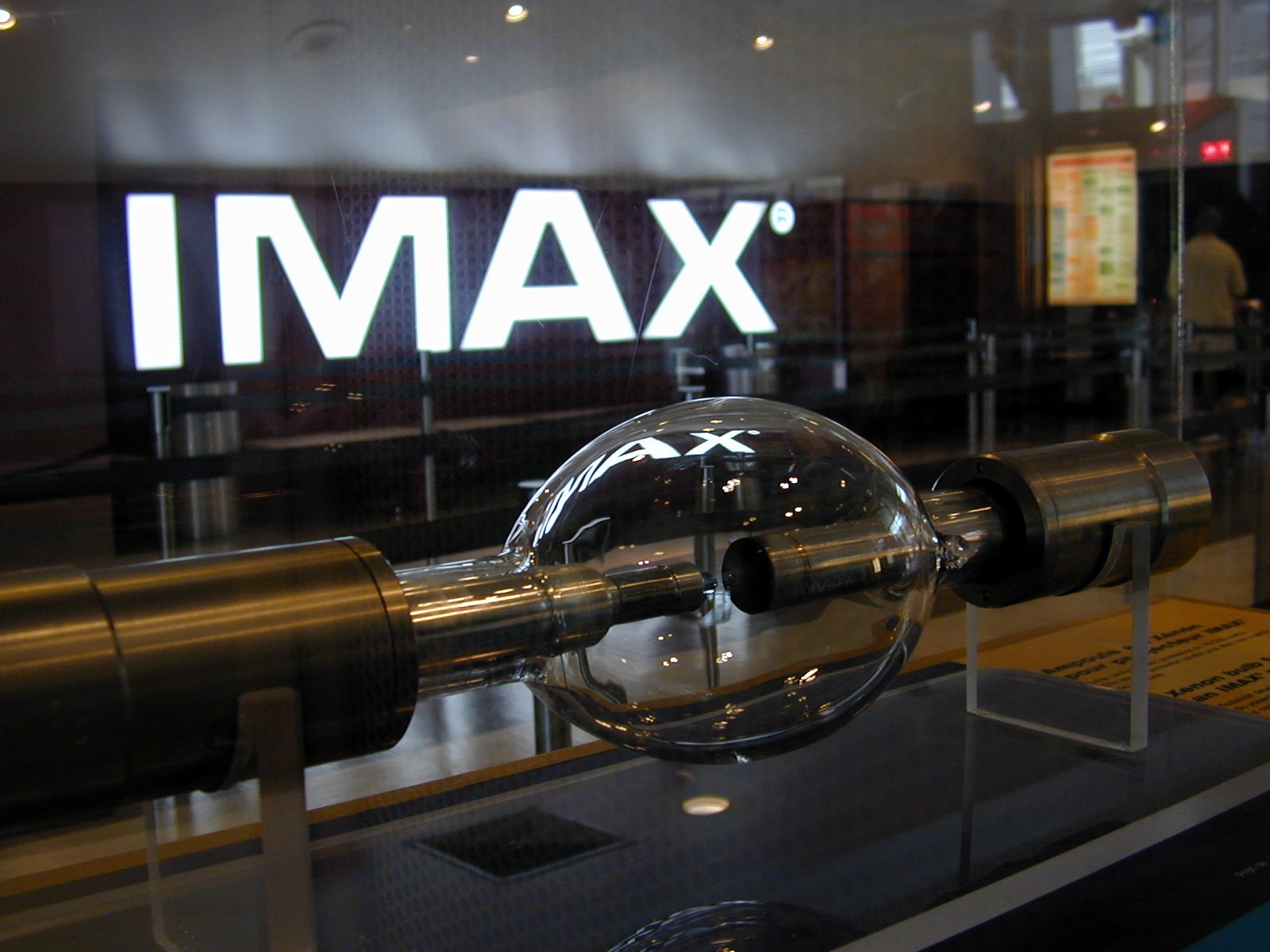
Why do commercial cinema projectors produce 20,000 to 60,000+ lumens? Screen area. A commercial screen measuring 60 feet wide by 32 feet tall covers 1,920 square feet (178 m²). That is roughly 45 times the area of a 120-inch home theater screen! On a unity-gain (1.0) surface, it takes 27,000 to 31,000 usable lumens just to put 14–16 ftL / 48–55 nits across a canvas that large (commercial auditoriums often pair high-lumen projectors with perforated positive-gain screens to help reach target luminance).
In classic 15/70mm IMAX film booths, a liquid-cooled 15,000-watt xenon short-arc lamp produces a beam intense enough that high-wattage xenon short-arc lamps are also used in aerospace solar simulators. Even after lens and shutter losses, IMAX 15/70mm film and dual-4K IMAX with Laser projection systems put tens of thousands of lumens onto screens up to eight stories tall.
Calibrator’s Checklist: Important Brightness Notes
- Measure screen brightness in ftL / nits at your seat: Aim for 16–26 ftL / 55–90 nits for dark-room SDR and 27–39+ ftL / 90–135+ nits for dark-room HDR. In rooms with lights or windows, target 40–73+ ftL / 135–250+ nits.
- In a dark theater, black levels matter most: Once you reach 27–39 ftL / 90–135 nits on your screen size, high native contrast (like JVC D-ILA) or an optical iris with laser dimming improves your picture far more than extra unused lumens.
- Save 25%–40% headroom for accurate picture modes: Spec-sheet lumens are measured in the brightest mode (Dynamic or Vivid). Calibrated Filmmaker and Cinema modes trade raw light for accurate D65 color.
- Screen area grows with the square of the diagonal: Jumping from a 100-inch screen to a 150-inch screen requires 2.25× the lumens (125% more light) to keep the same brightness.
- Match the screen to the projector and the room: In a bright room, pair a standard-throw projector with an optical ALR screen (for side and overhead light) or a lenticular ALR screen like the Spectra Projection Shadowscape (for ceiling and floor light), and pair a UST projector with a lenticular UST CLR screen. In a dark theater, a 1.1–1.3 gain cinema screen adds extra brightness for HDR.
- Ask a specialist who tests them: Reach out to the team at ProjectorScreen.com (or call 888-392-4814) and we will help you match the right projector and screen to your room.


